The starter
One jar of flour and water, fed every day since 2021.
Everything with a crust on it comes off the same starter. It gets fed at four in the afternoon and again at four in the morning, and it is the reason the sourdough tastes the way it does in August and in January. Nothing here is par-baked and nothing arrives frozen.
How a loaf gets to seven o'clock
-
16:00
Day before
The starter is fed
Flour and water, by weight, into the same jar it has always lived in. It doubles in about six hours in summer and closer to nine in January, which is why the schedule moves with the weather rather than the clock.
The jar has never been washed. Deliberately.
-
22:00
Day before
Dough is mixed and left cold
Mixed, folded four times over two hours, then into the cold room. Twenty-four hours at four degrees is where the sourness comes from — not from the starter being old, which is the thing everyone assumes.
Cold ferment: 24 hours, every loaf, no exceptions.
-
04:00
Baking day
Second feed, and the oven goes on
The starter is fed again for tomorrow while today's loaves are shaped and scored. The deck takes about ninety minutes to come up to temperature, which is the real reason bakers start at three.
Two bakers. One oven. No par-baking, nothing frozen.
-
07:00
Baking day
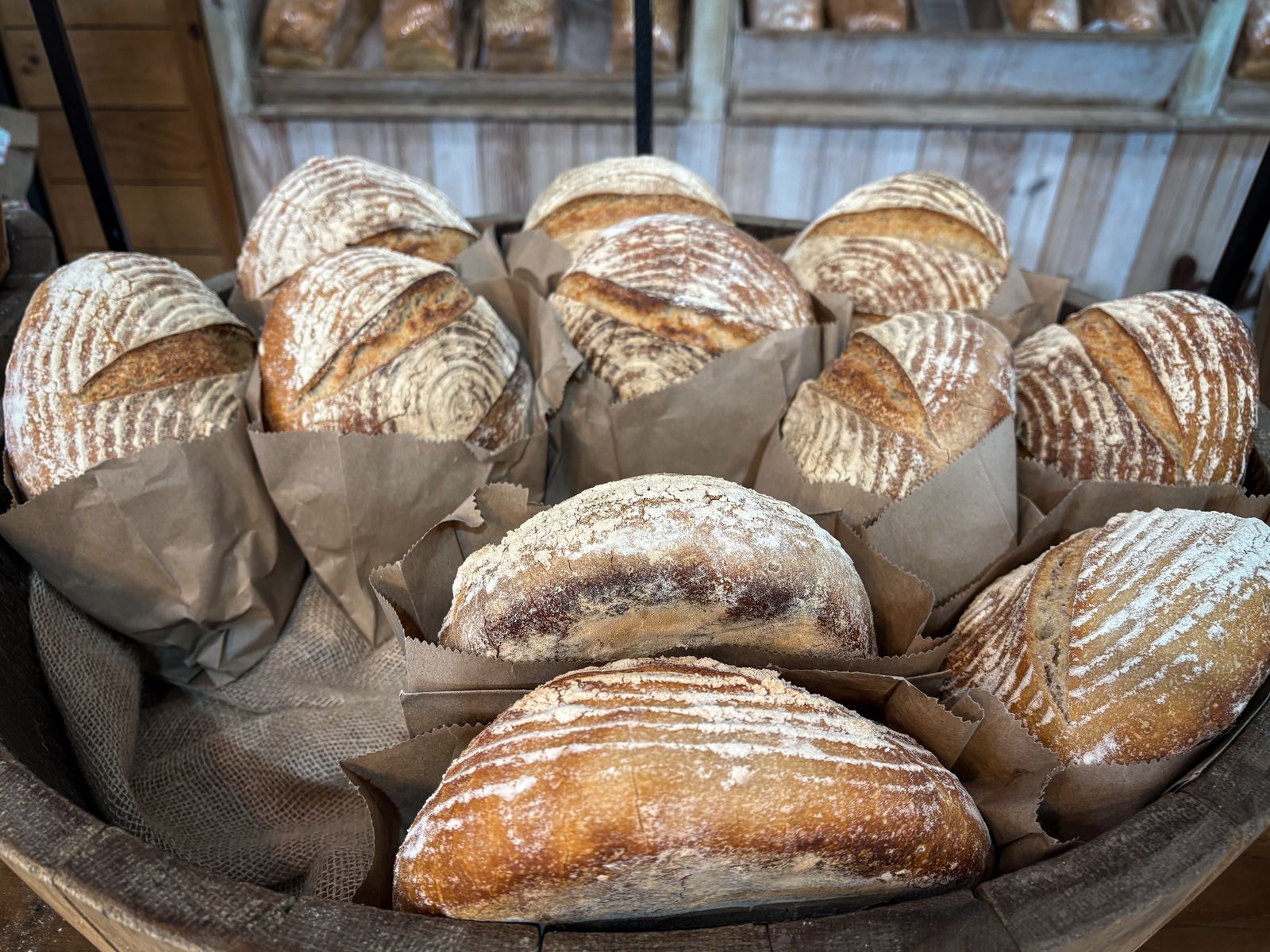
The rack comes out
Everything on it was baked in the last three hours. There is a second bake around ten if there is dough left, and then that is the day — we close when the rack is empty, which is usually before two.
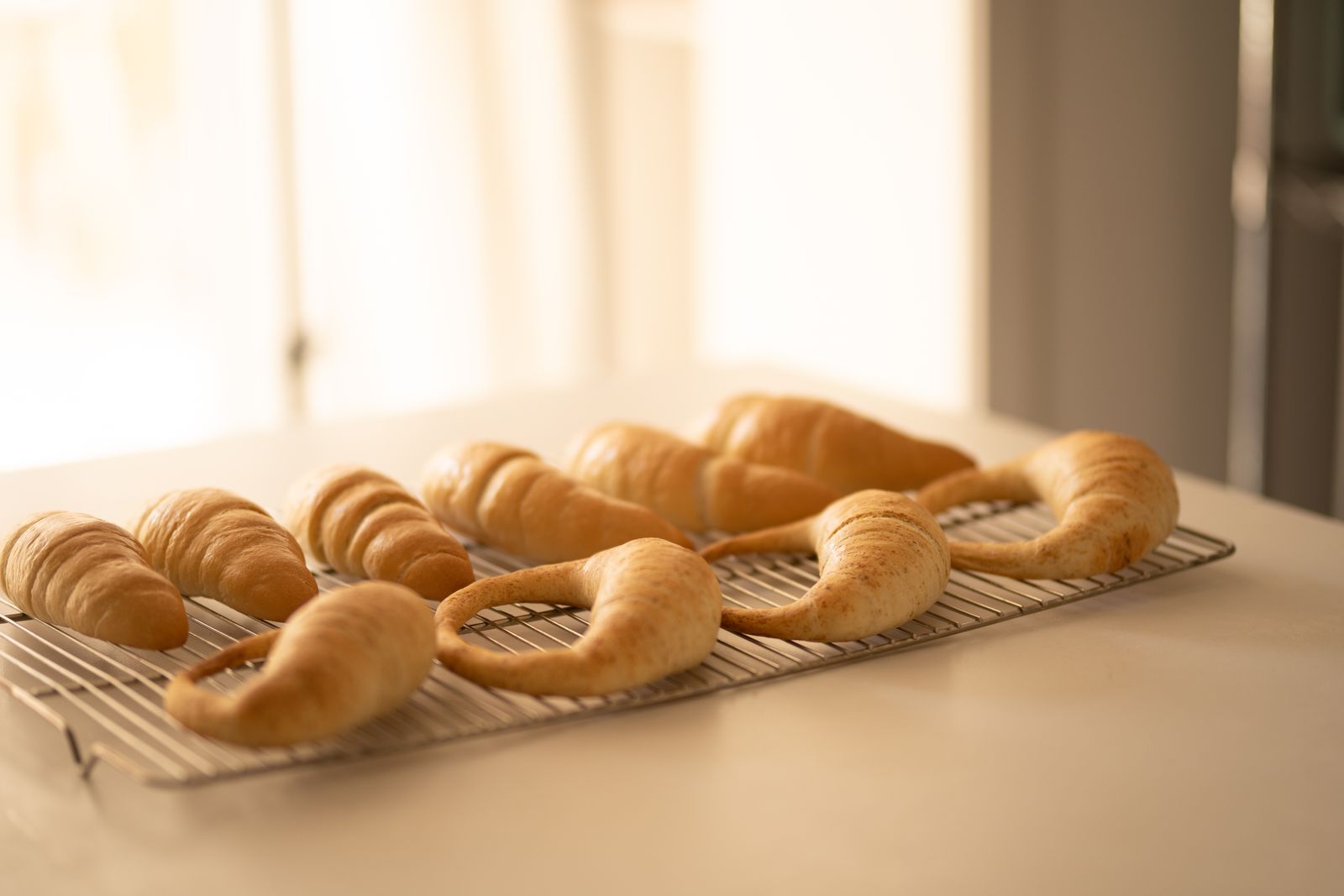
Croissants started three days ago. They are not on the same clock.
-
24
hour cold ferment
on every loaf -
7
the hour the rack
comes out -
3
days to laminate
one croissant